
Key takeaways
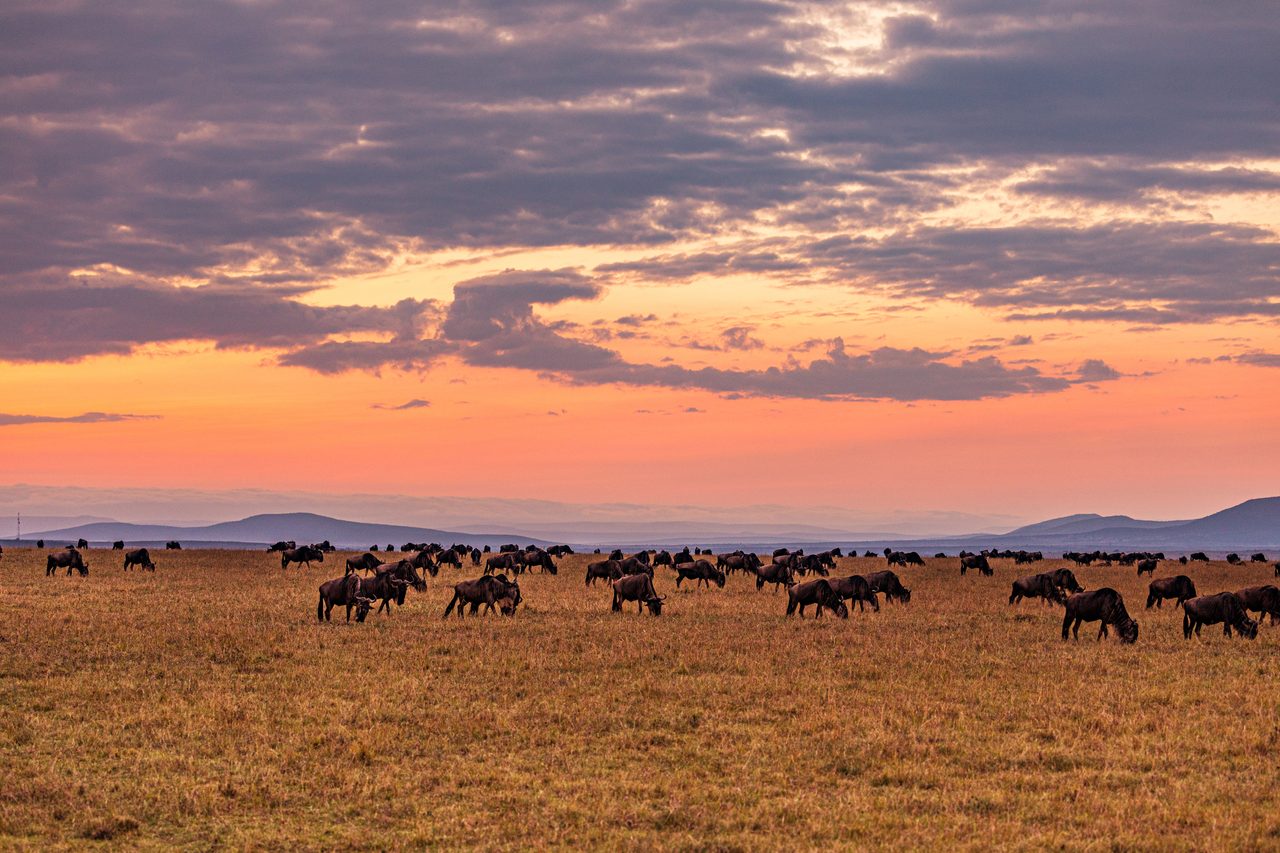
- July to October: Great Migration season and the best chance of a Mara River crossing.
- January to February: dry, excellent game viewing and fewer vehicles.
- April to May: long rains, green scenery and the lowest prices.
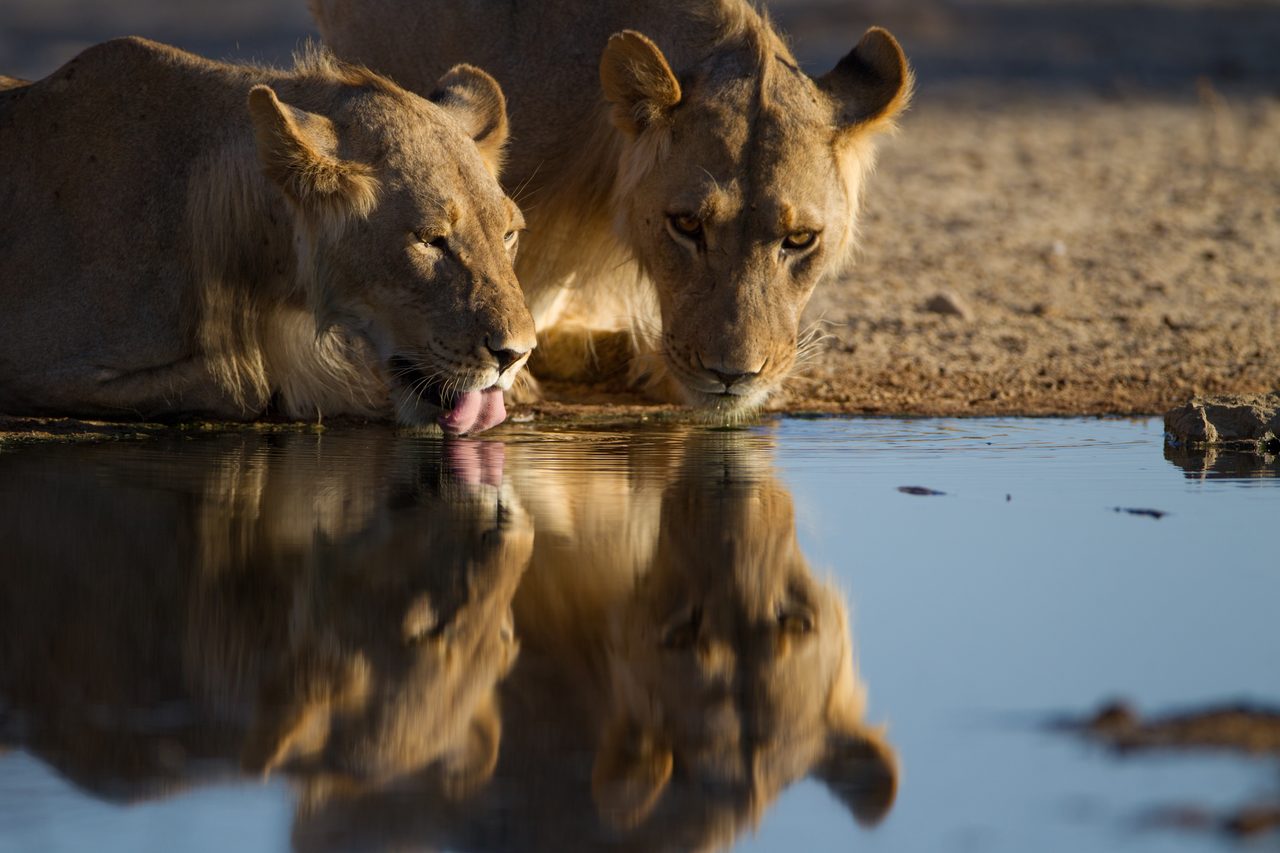
- Lions, elephants and cheetahs live in the Mara all year round.
On this page
The best time to visit the Masai Mara is July to October for the Great Migration, or January to February for excellent game viewing with fewer people. But there's no bad month. Lions, elephants, cheetahs and leopards live here all year. What changes is the crowds, the weather, the price and whether the wildebeest migration is in town.
July to October: Great Migration season
This is the Mara's peak. Huge herds of wildebeest and zebra move up from Tanzania's Serengeti, and the famous Mara River crossings usually happen somewhere in this window. Nobody can promise a crossing on a given day, so we plan at least three or four nights to give you the best chance.
It's also the busiest and most expensive time, so book lodges early, especially for August.
January to February: dry, green and quieter
The short rains are over, the grass is low and game viewing is excellent. The migration herds are down in the southern Serengeti at this time, but the Mara's resident wildlife is everywhere and there are far fewer vehicles at each sighting.
March to June: the green season
The long rains usually fall from around April into May. Afternoon storms are common, some roads get muddy and a few camps close. In return you get lush scenery, newborn animals, very few visitors and the lowest rates of the year. June is a lovely shoulder month as the rains clear.
November and December
The short rains arrive in November, usually as brief showers. December is busy with the festive holidays, so plan ahead if you want to spend Christmas in the bush.
Masai Mara weather at a glance
- Dry seasons: roughly June to October and December to February.
- Long rains: roughly April to May. Short rains: around November.
- Mornings and evenings are cool all year because of the altitude. Pack a warm layer.
Plan for a migration window, not a promised crossing
Mara Conservancy describes a variable migration season that can extend from June or July into November. Crossings are unpredictable. Choose dates for a likely seasonal window, then leave flexibility in the game-drive plan. Keep a clear passage for the herds and follow the guide’s viewing instructions.
Our pick: July to October for the migration, or January to February for great game viewing with fewer people. See the Maasai Mara page or our Great Migration tour.
Frequently asked questions
Which month is best for the Great Migration in the Masai Mara?
The herds are usually in the Mara from about July to October, and August and September are often the best months for river crossings. Exact timing changes every year with the rains.
Is the Masai Mara worth visiting outside migration season?
Yes. The Mara has excellent resident wildlife all year, including big cats and elephants, and outside the migration there are fewer vehicles and lower prices.
When is the rainy season in the Masai Mara?
The long rains usually fall around April and May, and the short rains around November.
Sources & planning notes
Source details checked on . Fees, access and operator conditions can change; confirm them for your travel dates.
- Mara Conservancy: wildebeest migration — Seasonal movement, unpredictable crossings and viewing rules.
Sample itineraries are planning suggestions, with availability and inclusions confirmed in your written quote.